ACTIVITIES OVERSEAS
OH Haji
Osaka2024.6.28-6.29
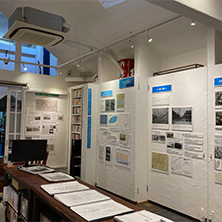
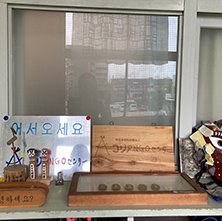
I went to look around an exhibition at the Osaka Korea Town Museum that is dedicated to the Korean community in Osaka, and looked at the books in its collection. At the Korea NGO Center I met and talked to its secretary-general, and participated in a report meeting on the Jeju April 3 incident. I collected information concerning the history and regions related to the incident.
In Osaka, in addition to information about related locations and events, I learned about the initiative to pass down its history to future generations.
-
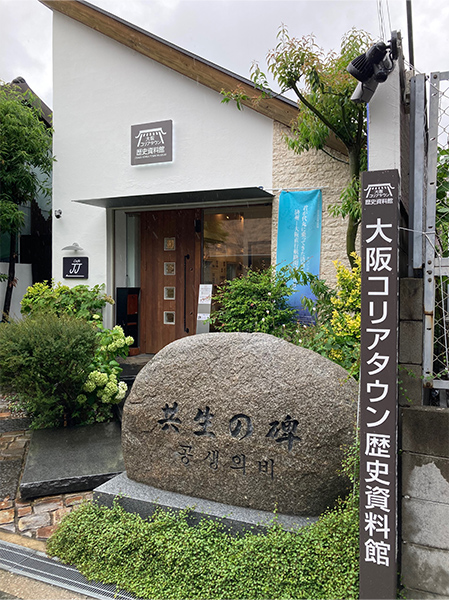
The Osaka Korea Town Museum
-
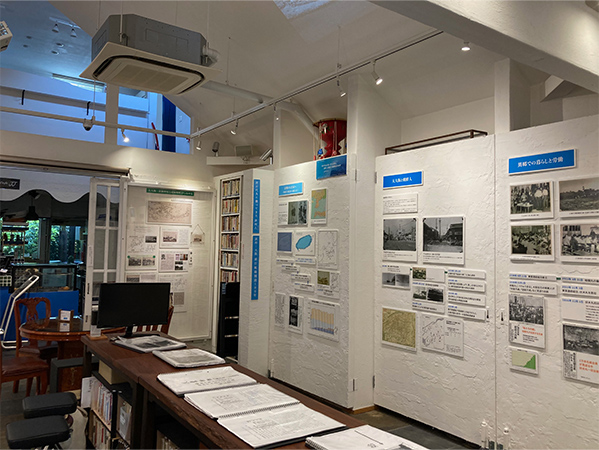
The Osaka Korea Town Museum
-
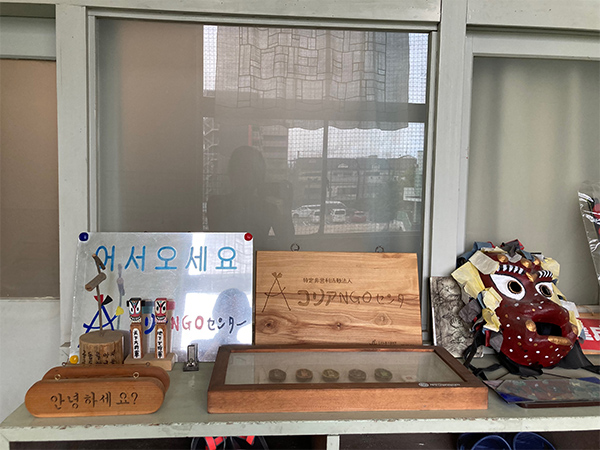
The Korea NGO Center
Hyogo2024.7.2-7.4
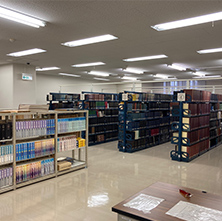
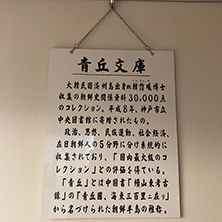
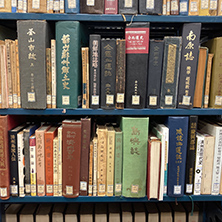
The Seikyu Bunko (the name of a collection of books) in the Kobe Municipal Chuo Library, contains books and documents on history, legal matters, literature and so on about Japan and Korea, that were donated from the personal library of a man who conducted research into Korean history, and I perused books about Jeju Island, Zainichi Koreans (Koreans residing in Japan), Ama divers of Jeju Island, and traditional folktales of Jeju Island. As the time available to me in Japan was restricted it was rather difficult for me to research in detail the topics I wanted to, but it was a great opportunity that will tie in not only with my next work but into further research.
-
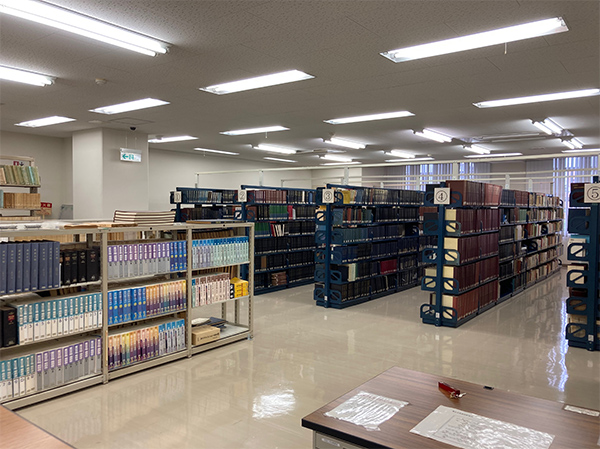
The Seikyu Bunko of the Kobe Municipal Chuo Library
-
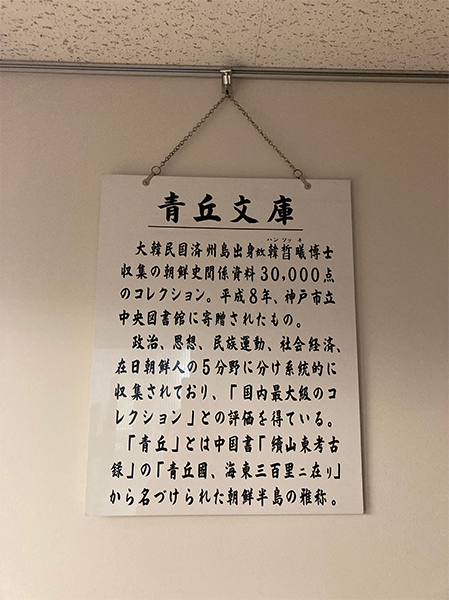
The Seikyu Bunko of the Kobe Municipal Chuo Library
-
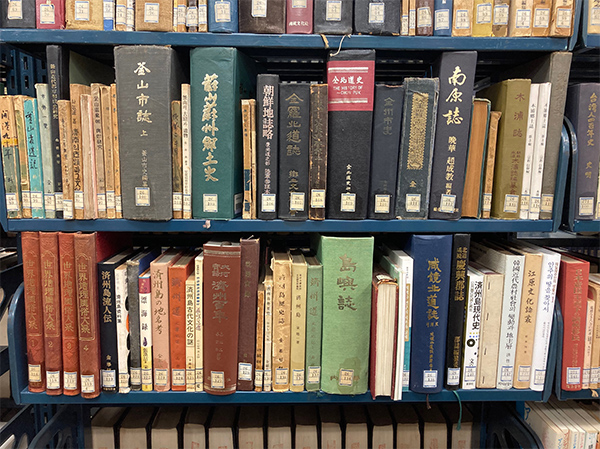
The Seikyu Bunko of the Kobe Municipal Chuo Library
Nagasaki(Tsushima)2024.7.6-7.9
During my stay on Tsushima, centering on the harbors with connections to Ama divers (and particularly the Ama divers of Jeju Island), I visited places related to Tsushima and the Korean Peninsula. In addition, I also took photographs for the creation of my work. At the Tsushima Museum I was allowed to look around the exhibits and the preparations for a forthcoming exhibition, and gained information from the curator about the Ama divers on Tsushima, and the Jeju Haenyeo Museum(Haenyeo is the Korean word for the divers that are called Ama in Japan).
-
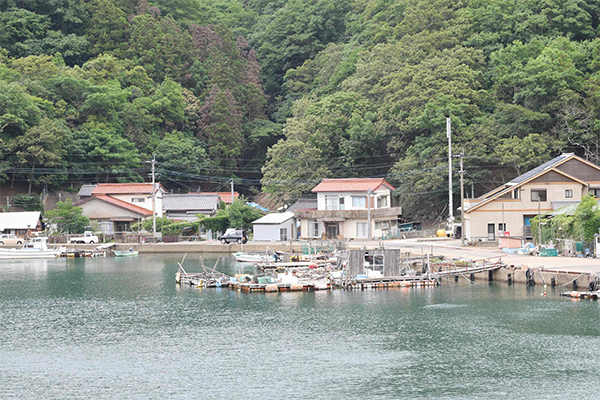
Tsushima
-
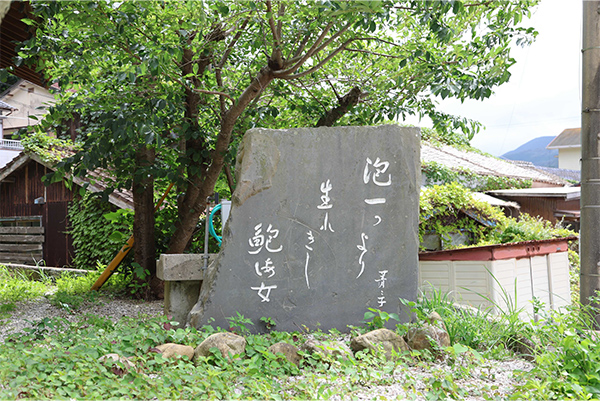
Tsushima
-
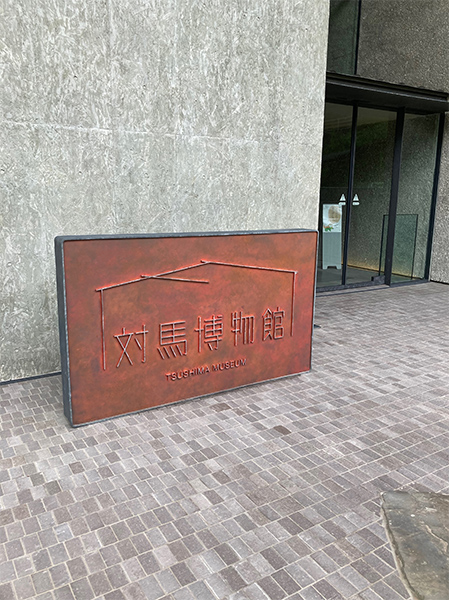
The Tsushima Museum
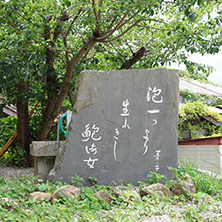
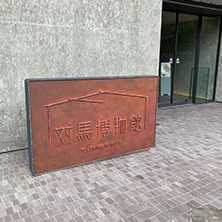
During my recent research in Osaka and Hyogo Prefectures, I was able to encounter a great deal of information such as reports and documents, and it also proved to be an opportunity to remind myself that some of these facilities are run and operated by Japanese and Korean citizens including Zainichi Koreans. It was unfortunate that on Tsushima the weather conditions prevented me from photographing as I had wished, but being able to experience the scenery among which the Ama divers live was an important experience from the point of view of my future work. Furthermore, I was able to meet the artist preparing for the exhibition and the museum’s curator, and it was a fantastic opportunity to have listened to their tales about the Ama divers of Jeju Island on Tsushima, and gain information about the Jeju Haenyeo Museum.
I hope to make the best of the material and information I gained this time when I make my planned research visit to Jeju Island next year.
Nagasaki(Tsushima)2025.2.21-3.1
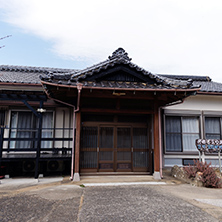
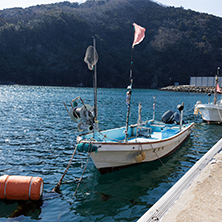
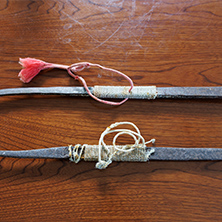
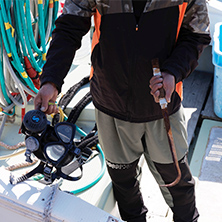
During this second visit, I reconnected with a curator at the Tsushima Museum who had supported my earlier research. Together, we visited the family of a former Ama divers living in Tsushima, whose roots lie in Jeju. They kindly shared memories of the late mother, who had once worked as a diver. I was also introduced to a practicing male diver, who generously showed me his boat and diving tools.
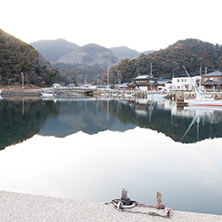
In the days that followed, I was guided to places where Ama divers of Jeju Island once lived, as well as to inlets and ports where they worked. These sites formed part of the visual material for the project. I also had the chance to meet a photographer who has documented them, helping contextualize their stories within a broader narrative.
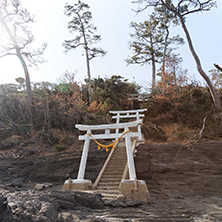
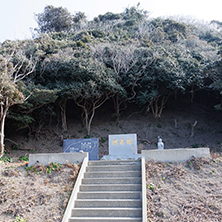
On the final day, I visited a memorial tower, built to commemorate the victims of the Jeju Island April 3rd Incident, along with sites connected to its establishment, where a local resident shared stories about the memorial.
-
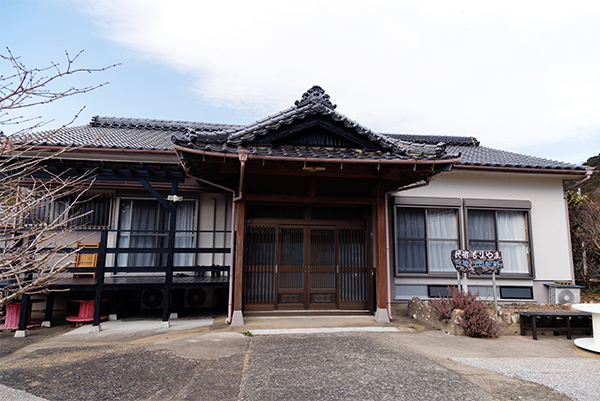
A guesthouse run by the family of a former Ama diver
-
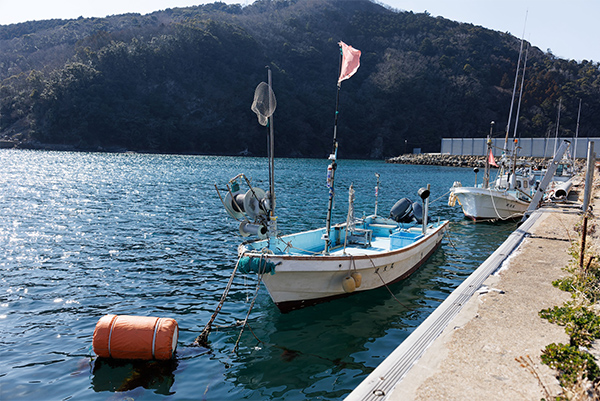
A tenma boat used by an Ama diver
-
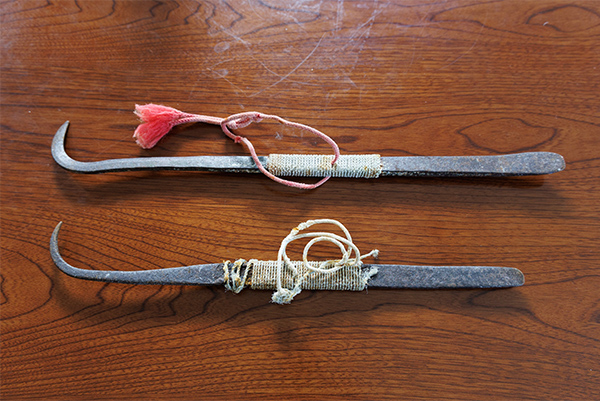
Tools used for diving
-
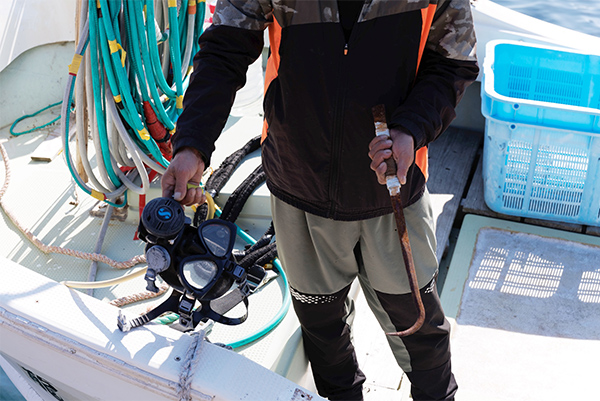
Tools used for diving
-
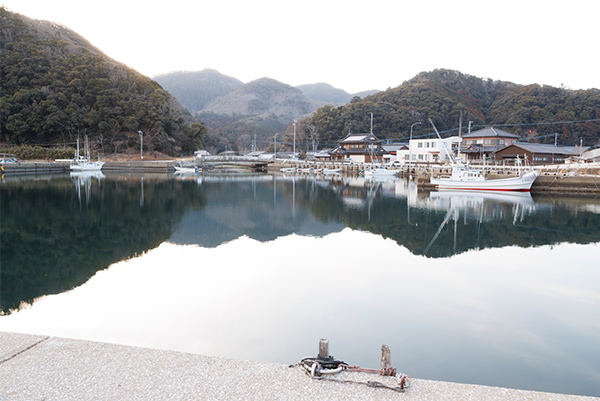
The port in Kin, Kamitsushima-machi
-
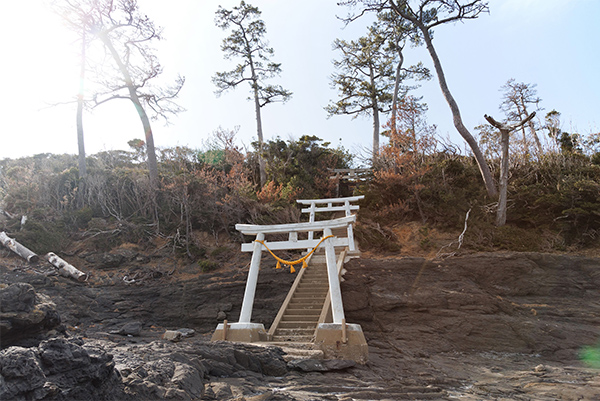
Descending the steps beneath the torii to the rocky shore
-
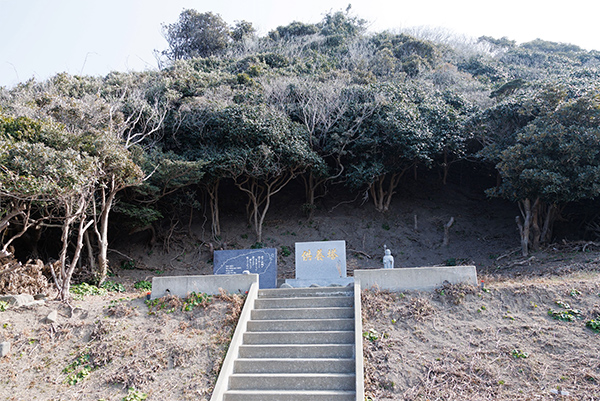
Jeju April 3rd Memorial Tower
The original plan was to conduct research in Jeju Island between February and March 2025 as part of my TCAA-supported overseas research, but after being selected for the Gapado Artist in Residence program—held on Gapado Island, south of Jeju Island, and scheduled to begin in April—I revised the plan, which made a second visit to Tsushima possible.
While the first visit focused on identifying, through books and academic sources, sites connected to the subject and filming them, this second stay was shaped by direct conversations and shared time with people connected to the history I’m exploring. Being shown the places where Ama diver of Jeju Island once lived and hearing stories tied to those landscapes allowed the research to take on a more personal and grounded dimension. I stayed for several days at a guesthouse run by the diver’s family, where I had the chance to introduce myself, spend time together, and exchange stories in a relaxed setting—an experience that left a lasting impression. Thanks to the generosity of those I met, this visit deepened the research in meaningful ways and provided new perspectives that will continue to shape the project going forward.
Text, Photo: OH haji
Edited by Tokyo Arts and Space